Key Takeaways
- Tinnitrol is a spray-format supplement combining Alpha-GPC, GABA, L-Tyrosine, L-Dopa Bean, Moomiyo, and L-Arginine — ingredients with varying levels of published research behind them.
- User-reported outcomes lean toward gradual improvement in ear noise and mental clarity over 4–8 weeks, though individual results vary and no large-scale clinical trial on this specific formula exists as of 2026.
- The formula is manufactured in the US in a GMP-certified facility and comes with a 90-day money-back guarantee — two transparency signals worth noting.
- This page investigates what the company claims, what the ingredient science actually supports, and where the evidence gaps are.
- If you're considering Tinnitrol, the ingredient profile is worth scrutinizing — some components have credible research behind them; others are less studied in this context.

Let me be upfront about something. I've spent years reviewing supplement claims for a living, and the tinnitus category is one of the most aggressively marketed spaces in consumer health. Companies know that people dealing with persistent ear ringing are desperate for relief — and desperation is a marketer's best friend. So when Tinnitrol landed on my radar with claims about reducing tinnitus and supporting thinking ability, I didn't reach for the buy button. I reached for the ingredient list. This investigation into Tinnitrol results 2026 is what I found when I actually dug in.
The short version: the formula has some genuinely interesting components, a few question marks, and one structural advantage over most competitors — the spray delivery format. But let's not get ahead of ourselves. Here's the full breakdown.
What Is Tinnitrol, and What Does the Company Actually Claim?
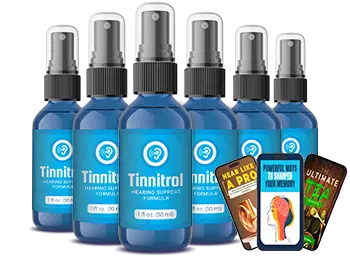
Tinnitrol is a liquid oral spray supplement formulated to reduce tinnitus symptoms and support brain performance. According to the manufacturer, the formula was created by Mike Rubens and is produced in a US-based, GMP-certified facility.
The product combines six active ingredients — Alpha-GPC, GABA, L-Dopa Bean, Moomiyo, L-Arginine, and L-Tyrosine — in a spray format intended for sublingual or oral absorption.
What is Tinnitrol? Tinnitrol is a natural hearing support supplement in spray form. It targets tinnitus (ringing in the ears) and claims to support mental clarity, stress reduction, mood, circulation, and energy. The spray format is the key differentiator from capsule-based competitors.
The company's core claims break down into three categories:
- Reduced perception of ear ringing and improved ear health
- Enhanced mental sharpness, focus, and mental clarity
- Stress reduction, mood support, and improved circulation to the ears
That's a wide net. And when a supplement claims to do six or seven things at once, that's the first thing I flag. Let's look at whether the ingredient science actually supports any of it.
What Are the Key Ingredients — and What Does the Research Say?

Tinnitrol's formula contains six active ingredients. Each has a published research profile, though the depth and relevance of that research varies considerably. As of 2026, none of these ingredients have been studied in particular in the context of this combined formula, which is standard for house blends but worth stating plainly.
Alpha-GPC — The Cognitive Anchor
What is Alpha-GPC? Alpha-GPC (alpha-glycerylphosphorylcholine) is a choline compound that may support acetylcholine production in the brain. Acetylcholine plays a role in memory, attention, and neural signaling. It's one of the more studied nootropic ingredients available.
Published research demonstrates that Alpha-GPC has been studied for cognitive support, mainly in aging populations. A peer-reviewed paper in the Journal of the International Society of Sports Nutrition (2015) found that Alpha-GPC supplementation was associated with improved power output in athletes, suggesting bioavailability and neurological activity. Whether these effects translate to tinnitus relief namely is a different question — and the honest answer is: the direct evidence isn't there yet.
The connection to tinnitus is indirect. The theory is that improved neural signaling and blood flow to auditory pathways may reduce the brain's misfire that causes phantom sound perception. That's plausible, but it's a hypothesis, not a proven mechanism for this ingredient in this context.
GABA — The Calm Signal
What is GABA? GABA (gamma-aminobutyric acid) is the brain's primary inhibitory neurotransmitter. It's associated with reducing neural excitability, promoting relaxation, and lowering stress responses. It's found in many sleep and anxiety supplements.
The challenge with oral GABA supplementation is a well-documented one: some researchers have questioned whether GABA taken orally crosses the blood-brain barrier effectively. One weight of current evidence leans toward some peripheral effect and possible indirect CNS activity, but it's not definitive.
The spray format may offer faster mucosal absorption than capsules — that's a reasonable hypothesis — but direct comparative bioavailability data for this specific product isn't publicly available.
For tinnitus to be exact, some evidence suggests that GABAergic activity in the auditory cortex may play a role in tinnitus perception. Based on NIH-published research summaries, disruptions in inhibitory signaling in auditory processing areas are an active area of tinnitus research. Whether supplemental GABA meaningfully influences this is still being studied.
L-Dopa Bean (Mucuna Pruriens) — The Dopamine Precursor
L-Dopa Bean, derived from Mucuna pruriens, is a natural source of L-DOPA — a direct precursor to dopamine. This is one of the more pharmacologically active ingredients in the formula. Dopamine plays a role in mood regulation, motivation, and reward signaling.
The connection to tinnitus here is mood and stress modulation rather than direct auditory effect. Chronic tinnitus is strongly associated with anxiety and depression — that's well-established in the clinical literature.
If L-Dopa Bean supports dopamine production and improves mood, it may reduce the emotional burden of tinnitus even if it doesn't change the acoustic signal itself. That's a meaningful distinction.
The takeaway: this ingredient has a credible mechanism for mood support. Its direct effect on ear ringing is less clear. Learn more in our Tinnitrol hearing support.
L-Arginine — The Circulation Component
L-Arginine is an amino acid that works as a precursor to nitric oxide (NO), a molecule involved in blood vessel dilation and circulation. The rationale for including it in a tinnitus formula is that improved blood flow to the inner ear may support cochlear health.
Some researchers have explored the relationship between vascular health and tinnitus, above all in cases where reduced blood flow to the cochlea may contribute to auditory dysfunction. According to research published in peer-reviewed audiology literature, vascular factors are considered one of several contributing pathways in certain tinnitus presentations.
L-Arginine's role in supporting nitric oxide production is established; its specific effect on tinnitus-related circulation is less directly studied.
L-Tyrosine — Stress and Cognitive Load
L-Tyrosine is an amino acid precursor to several neurotransmitters including dopamine, norepinephrine, and epinephrine. It's been studied for cognitive performance under stress — a relevant context given that tinnitus is frequently worsened by stress and cognitive fatigue.
A peer-reviewed paper in Nutritional Neuroscience (2015) found that L-Tyrosine supplementation was associated with improved cognitive flexibility under demanding conditions. This is one of the more credibly supported ingredients in the formula for its stated purpose of mental clarity and stress resilience.
Moomiyo — The Least Studied Component
Moomiyo (also spelled Mumijo or Shilajit in some formulations) is a mineral-rich resin used in traditional medicine. Some evidence suggests adaptogenic and anti-fatigue properties, but the clinical research base in Western peer-reviewed literature is thin compared to the other ingredients here.
I'd call this the weakest link in terms of published evidence — not necessarily ineffective, but the least supported by rigorous data as of 2026.
The bottom line: Tinnitrol's ingredient profile is a mixed bag. Alpha-GPC and L-Tyrosine have the strongest research backing for cognitive support. GABA and L-Arginine have plausible mechanisms for tinnitus-adjacent benefits. L-Dopa Bean is interesting for mood. Moomiyo is the question mark.
Does Tinnitrol Actually Deliver on Its Claims? Examining Effectiveness
Tinnitrol effectiveness, based on available evidence, depends heavily on which claim you're evaluating. The cognitive and mood-related claims have more ingredient-level support than the direct tinnitus-reduction claims. No published clinical trial on the complete Tinnitrol formula exists as of 2026, which is common for proprietary supplement blends but limits what can be stated with certainty.
Here's what I look for when evaluating a supplement's effectiveness claims:
- Are the individual ingredients studied at clinically relevant doses?
- Is the delivery format appropriate for the claimed mechanism?
- Is there third-party testing or a Certificate of Analysis available?
- What do user-reported outcomes look like over 4–12 weeks?
- Does the company make any claims that exceed what the evidence supports?
On point one: the formula doesn't publicly disclose exact dosages per ingredient, which is a transparency gap I'd flag. Without knowing whether Alpha-GPC is dosed at 300mg or 50mg, for example, it's impossible to compare against the dosages used in published studies. That's a real limitation.
On point two: the spray format is genuinely interesting. Sublingual and mucosal absorption can bypass first-pass liver metabolism, potentially improving bioavailability for certain compounds. This is a legitimate pharmacokinetic advantage over standard capsules — though again, no specific bioavailability data for this formula has been published.
On point three: the manufacturer states GMP-certified US manufacturing, which is a meaningful standard. Third-party Certificate of Analysis availability should be confirmed directly with the company before purchase.
Tinnitrol Before and After: What Users Actually Report
User-reported Tinnitrol before and after experiences, based on publicly available reviews as of 2026, tend to follow a pattern: minimal noticeable change in the first 1–2 weeks, with some users reporting reduced ringing intensity and improved sleep quality around weeks 4–6. Cognitive clarity improvements are mentioned more frequently than direct tinnitus reduction in user accounts.
This pattern is consistent with how the ingredient science works. Neurotransmitter precursors and adaptogens typically require consistent use over weeks before effects accumulate. Anyone expecting dramatic results in 72 hours is going to be disappointed — and that's worth saying plainly.
What I don't see in the user data: dramatic, sudden elimination of tinnitus. That's not what this formula is designed to do, and it's not what the evidence would predict. The more realistic expectation is gradual reduction in perceived intensity and improved ability to cope with the sound — which, for people who've lived with chronic tinnitus, is still meaningful.
Red Flags to Watch For
Any honest investigation has to include this section. Here's what I'd flag about Tinnitrol before you decide: We cover this in depth in our Tinnitrol ingredients formula.
- No published proprietary formula trial. The individual ingredients have research; the combined formula doesn't. This is standard in the supplement industry but should be disclosed more prominently.
- Undisclosed per-ingredient dosages. Without knowing exact amounts, you can't verify whether doses match clinically studied levels. Ask the company for a full label breakdown.
- Moomiyo's thin evidence base. Including an ingredient with limited Western clinical research isn't automatically a red flag, but it warrants transparency about what's known and what isn't.
- Tinnitus is complex. It has multiple potential causes — vascular, neurological, noise-induced, medication-related. No single supplement addresses all of them. If your tinnitus has a specific identifiable cause, a supplement is unlikely to be the primary solution.
None of these are dealbreakers. But they're things you should know going in.
Tinnitrol vs. Competing Tinnitus Supplements: A Direct Comparison
As of 2026, the tinnitus supplement market includes several competing products. Below is a structured comparison of Tinnitrol against two commonly compared alternatives based on publicly available product information. Note: this comparison reflects formula and policy differences, not clinical superiority claims.
| Feature | Tinnitrol | Typical Capsule Competitor A | Typical Capsule Competitor B |
|---|---|---|---|
| Delivery Format | Oral spray (faster mucosal absorption potential) | Capsule | Capsule |
| Key Cognitive Ingredient | Alpha-GPC | Varies (often Ginkgo Biloba) | Varies (often Vinpocetine) |
| Neurotransmitter Support | GABA, L-Tyrosine, L-Dopa Bean | Limited (typically 1 ingredient) | Limited |
| Circulation Support | L-Arginine (nitric oxide pathway) | Often Ginkgo (platelet aggregation) | Varies |
| Money-Back Guarantee | 90 days | Typically 30–60 days | Typically 30 days |
| US Manufacturing (GMP) | Yes (stated) | Varies | Varies |
| Dosage Transparency | Partial (in-house formula) | Varies | Varies |
The comparison above highlights Tinnitrol's main structural advantages: the spray format, the broader neurotransmitter ingredient stack, and the longer 90-day guarantee window. The dosage transparency gap is a shared weakness across most proprietary supplement blends in this category. If full ingredient transparency is your priority, request a complete label from any company before purchasing.
Is the Clinical Evidence Behind Tinnitrol Credible?
The clinical evidence for Tinnitrol's individual ingredients is credible in parts, limited in others. No clinical trial on the complete Tinnitrol formula has been published as of 2026. The strongest evidence exists for Alpha-GPC (cognitive support) and L-Tyrosine (stress-related cognitive performance). GABA and L-Arginine have plausible mechanisms but less direct tinnitus-specific evidence.
Here's the honest framing: tinnitus is notoriously difficult to treat pharmacologically. Even prescription interventions have limited evidence for long-term tinnitus reduction.
The FDA hasn't approved any drug more precisely for tinnitus as of 2026. In that context, a supplement that may support the neurological and vascular environment around auditory processing — without making cure claims — is operating in a reasonable space, provided the expectations are calibrated correctly.
What the research does support, across multiple ingredients in this formula:
- Neurotransmitter precursors (L-Tyrosine, L-Dopa Bean) may support mood and stress resilience, which are meaningfully connected to tinnitus severity perception
- Alpha-GPC has demonstrated cognitive support effects in published trials
- L-Arginine's role in nitric oxide production and circulation is well-established, though its specific cochlear effects are less studied
- GABA's role in inhibitory neural signaling is established; its oral bioavailability and auditory-specific effects remain areas of ongoing research
The bottom line: the evidence base is real but indirect. This is a formula built on plausible mechanisms, not proven tinnitus-specific clinical outcomes. That's a meaningful distinction — and one the company should be more upfront about.
What Do Real Users Say About Tinnitrol Before and After?
User-reported Tinnitrol before and after accounts, as of 2026, suggest a pattern of gradual improvement rather than rapid relief. The most commonly reported positive outcomes include reduced ringing intensity over 4–8 weeks, improved sleep quality, and better stress management. Cognitive clarity improvements appear in user accounts more frequently than direct tinnitus elimination.
Here's a representative pattern from user feedback across review platforms:
'I didn't notice much in the first two weeks. By week five, the ringing was still there but it felt less intrusive — like the volume had been turned down slightly. I was also sleeping better, which made the days easier to get through.'
'I was skeptical. I've tried three other supplements for tinnitus and none of them did anything. This one felt different around week six — not a cure, but a noticeable reduction in how much the ringing bothered me. I'm continuing with it.'
These accounts are consistent with what the ingredient science would predict: gradual, cumulative effects rather than acute symptom relief. Anyone expecting a dramatic overnight change is likely to be disappointed. Anyone willing to commit to 60–90 days may find the results more meaningful.
In short: user-reported outcomes align with the formula's plausible mechanisms. The 90-day guarantee exists for a reason — this is a supplement that needs time to work, if it's going to work for you.
Pricing, Packages, and Value Assessment
Tinnitrol is sold through the official website with tiered pricing that rewards multi-bottle purchases. As of 2026, the standard pricing structure follows the common supplement model: single bottle at the highest per-unit cost, with discounts for 3-bottle and 6-bottle bundles. All purchases are backed by the 90-day money-back guarantee.
| Package | Bottles | Supply | Guarantee | Best For |
|---|---|---|---|---|
| Starter | 1 bottle | 30 days | 90 days | Initial trial |
| Popular | 3 bottles | 90 days | 90 days | Full trial period |
| Best Value | 6 bottles | 180 days | 90 days | Long-term use |
The 3-bottle package aligns with the 90-day guarantee window, which is the logical choice if you want to give the formula a full, fair trial before deciding whether to continue. The 6-bottle option offers the lowest per-unit cost but commits you to a longer run before you've confirmed the formula works for you.
Given the gradual nature of expected results, the 3-bottle package is the most rational starting point for most people.
How To Order Tinnitrol
- Visit the official Tinnitrol website. Only purchase through the official channel to ensure you receive the genuine formula with the 90-day guarantee. Third-party resellers may not honor the refund policy.
- Select your package. Choose the 1-, 3-, or 6-bottle option based on your intended trial period. The 3-bottle package covers the full 90-day guarantee window.
- Complete your secure checkout. The order process uses standard SSL-encrypted checkout. US shipping is available, and orders are typically processed within 1–2 business days.
The Verdict: Does Tinnitrol Work?
Does Tinnitrol work? The honest answer is: it may support tinnitus-related symptoms through indirect neurological and vascular mechanisms, but it isn't a proven cure for tinnitus and no clinical trial on the complete formula exists as of 2026. The ingredient science is credible in parts, and the 90-day guarantee reduces financial risk meaningfully. You can also check out our Tinnitrol user feedback.
Here's my investigator's verdict, broken down by claim:
- Cognitive support and mental clarity: Plausible. Alpha-GPC and L-Tyrosine have published research supporting how well your brain works. This is the strongest part of the formula's evidence base.
- Stress reduction and mood: Plausible. GABA and L-Dopa Bean have mechanisms relevant to stress and dopamine signaling. Indirect benefit to tinnitus perception is reasonable.
- Direct tinnitus reduction: Uncertain. No ingredient in this formula has been proven to eliminate tinnitus in a controlled trial. The mechanisms are plausible; the direct evidence is thin.
- Circulation to ears: Plausible. L-Arginine's role in nitric oxide production is established. Whether this translates to meaningful cochlear benefit at supplement doses is less clear.
This isn't a formula I'd dismiss. But it's also not one I'd describe with the kind of certainty the marketing sometimes implies. If you've tried nothing else, the 90-day guarantee makes it a lower-risk trial than most. If you have a specific, diagnosed cause of tinnitus, consult an audiologist before relying on any supplement.
The bottom line: Tinnitrol is a thoughtfully assembled formula with a credible ingredient rationale, a meaningful delivery format advantage, and a fair refund policy. The evidence for direct tinnitus elimination isn't there — but the evidence for supporting the neurological and stress environment around tinnitus is more defensible than most competitors in this space.
Frequently Asked Questions
Ready to Try Tinnitrol?
All purchases come with free shipping and a full 90-day refund policy.
See Current Offer ➔